My Latest Road Trip

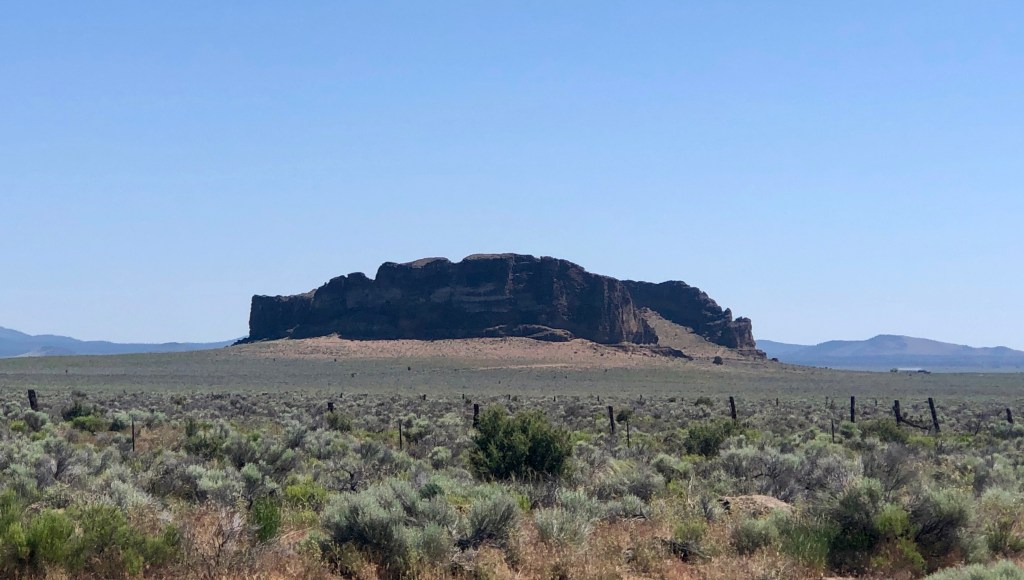
Fort Rock in southern Oregon, a favorite place with a fascinating geology and history.

I recently returned from more travels east of the Cascade Mountains, through eastern Washington, Oregon, and northern Nevada. My friend, Eric accompanied me in his camper.
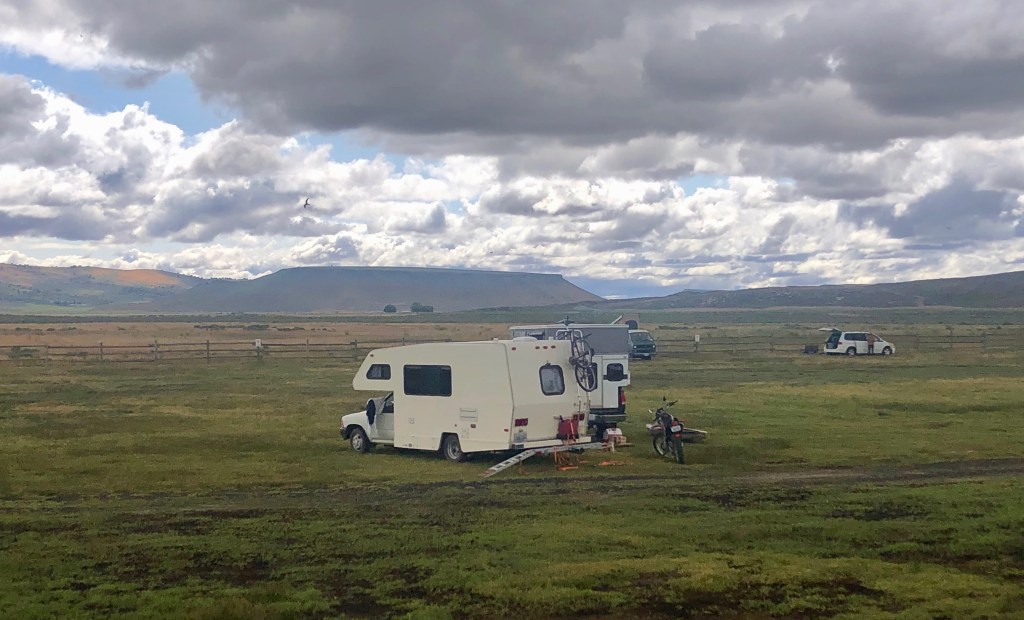
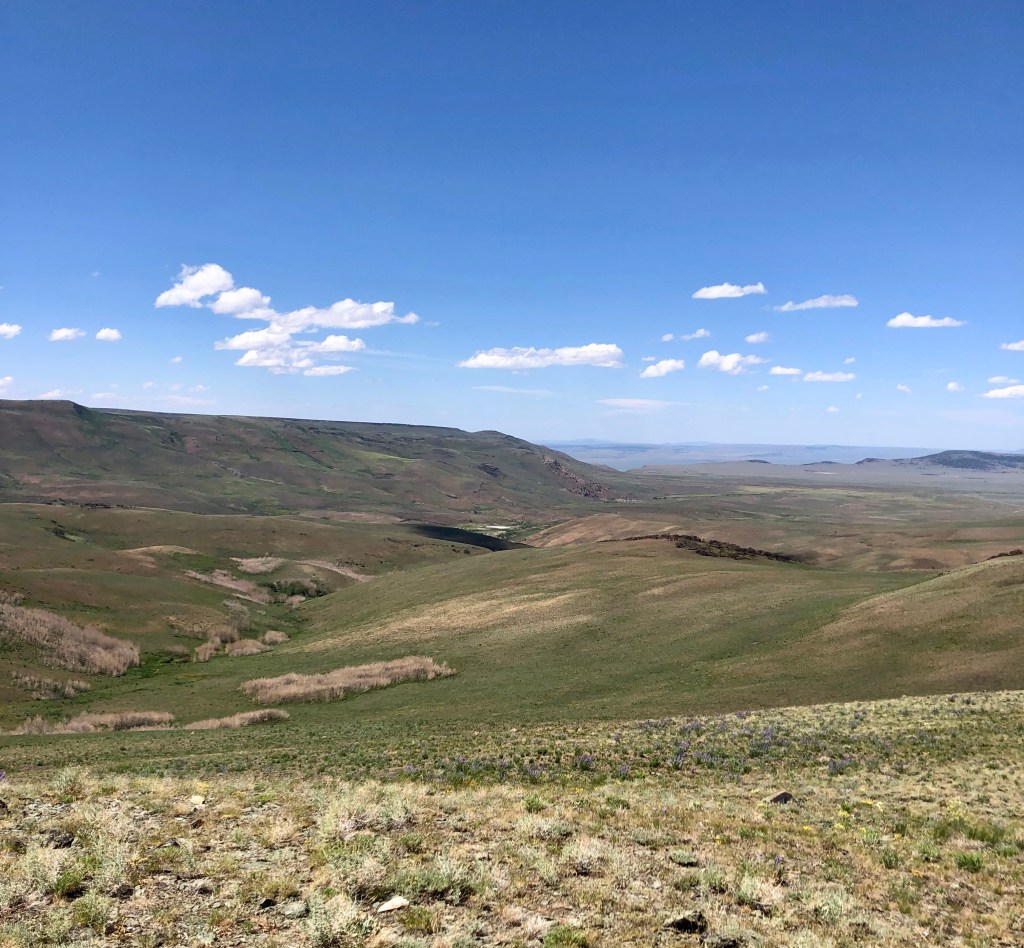
Our camp in the open field at Crane Hot Springs, Oregon.
Hart Mountain National Antelope Refuge, Oregon.

I took along my dual sport Yamaha XT 250 motorcycle.

The Yamaha and “Kermit” (my 1990 Toyota minnie-winnie), both got a pretty good workout.
A back road in the antelope refuge.

Over the last several years of traveling the high deserts and Great Basin I’ve made some interesting observations.

Observation 1: Most small towns have better phone service than where I live.

I live in Birch Bay, WA, population about 12,000. The place has no post office, schools, or shopping centers. I have at most two bars on my cell phone at home. To make phone calls I must often walk up to the nearby golf course or the millionaire’s subdivision adjacent to ours, to get adequate service. I use Verizon, but the same was true with my previous service provider.

Below is just a partial list of towns in Eastern Oregon and Washington with a population under 600 I have visited in my travels, which have four or five bars service. I’ll leave you to draw your own conclusions about how progressive Whatcom County is with respect to communication infrastructure.

Adel, OR—pop. 40; Coulee City, WA—551; Dayville, OR—132; Crane, OR—116; Fossil, OR—447; Grass Valley, OR—167; Lexington, OR—216; Mansfield, WA—328; Maryhill, WA—46; Moro, OR—380; Paisley, OR—255; Spray, OR—138.

Virtually every community I have visited east of the Cascades in Washington and Oregon has better cell phone and internet service than the Birch Bay/Blaine region.
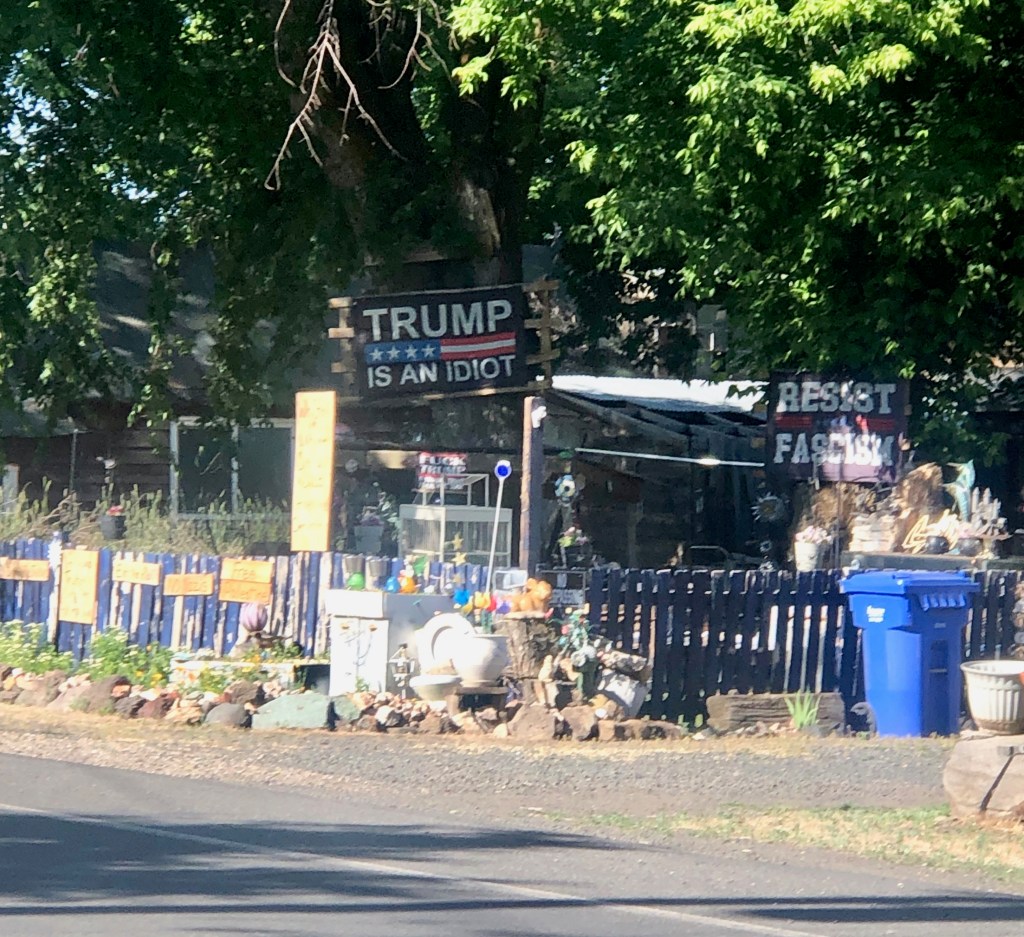
Signs in yard in Lakeview, Oregon.

Observation 2: It’s common knowledge that the majority of folks east of the Cascades tend to vote Republican, and many are Trump cultists. But there are many exceptions, and the true picture is more nuanced.

Bend and Pullman are obvious exceptions, but even in some of the smaller towns the majority do not vote Republican, or the voting is very close. Parts of Eastern Washington are more progressive than the I-5 corridor in some ways. You will see road signs in both Spanish and English in some regions of Eastern Washington, and many schools offer Spanish language courses. Here in the Blaine school district, supposedly progressive, Spanish is not even offered until high school—inexcusable!
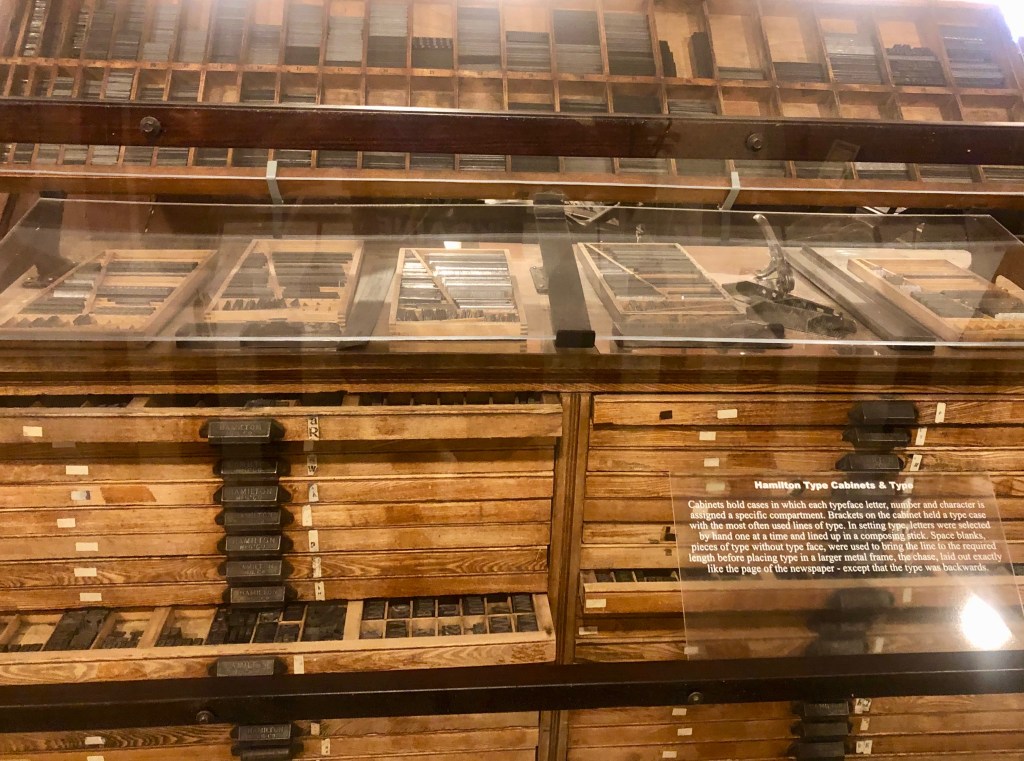
Movable type cabinets display, Moro, Oregon.

Observation 3: Many of the small towns have excellent museums that are well worth a stop.
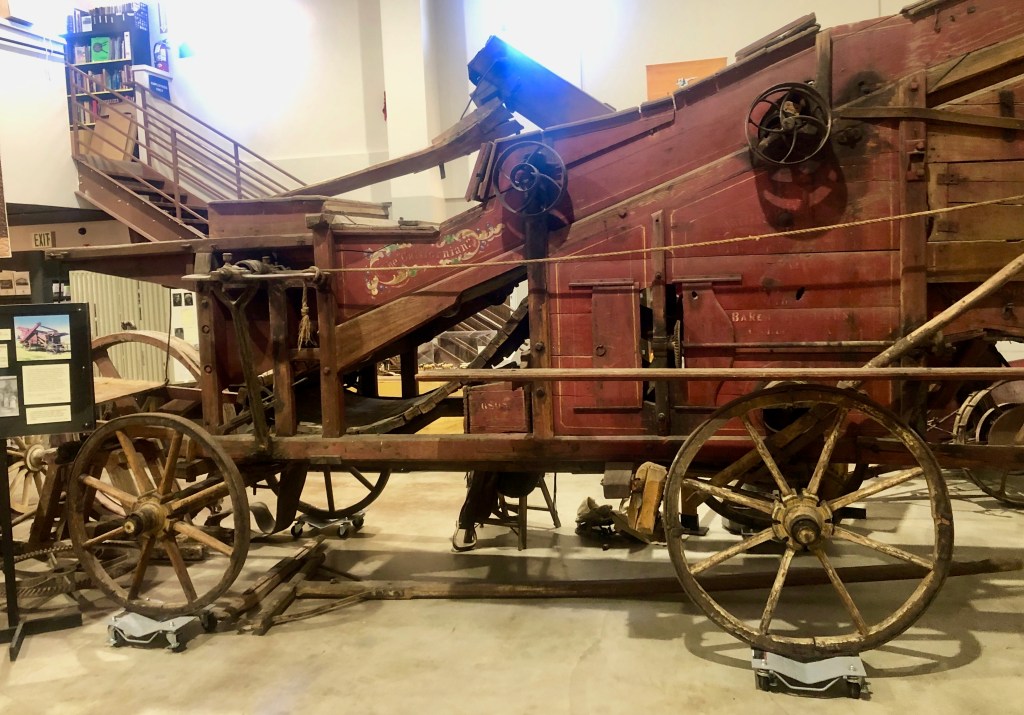
Old combine Moro, Oregon museum.

If you’re driving through Oregon on Highway 97 and have some spare time, check out the museum in Moro, just a few miles south of the Columbia River crossing. The old printing press display is world class. Many of the small towns have good museums with a wealth of information on their history.

I almost always pass through John Day River country on my return trip. This time I followed the south fork of the John Day. It was slow driving along a mostly decent gravel road. Besides Eric, following at a good distance behind me to avoid my dust, I only encountered a couple of other vehicles on this section of the road.
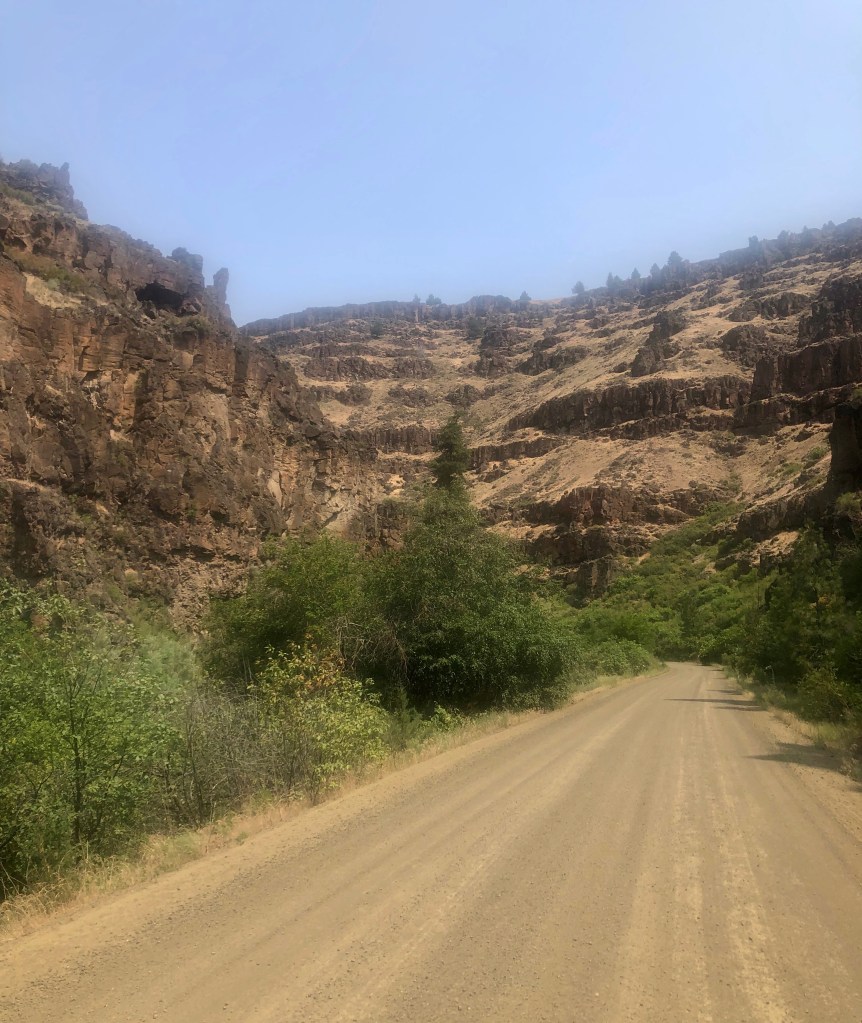
Road following the South Fork of the John Day River, Oregon.

Once again we camped along the John Day before heading north to the traffic and congestion of Washington. It’s always hard to come back to the I-5 corridor after these adventures. So instead of immediately heading up I-90, the fastest route home, I spent a couple days in eastern Washington enjoying the mid 80s temperatures, before heading home via Highway 20.
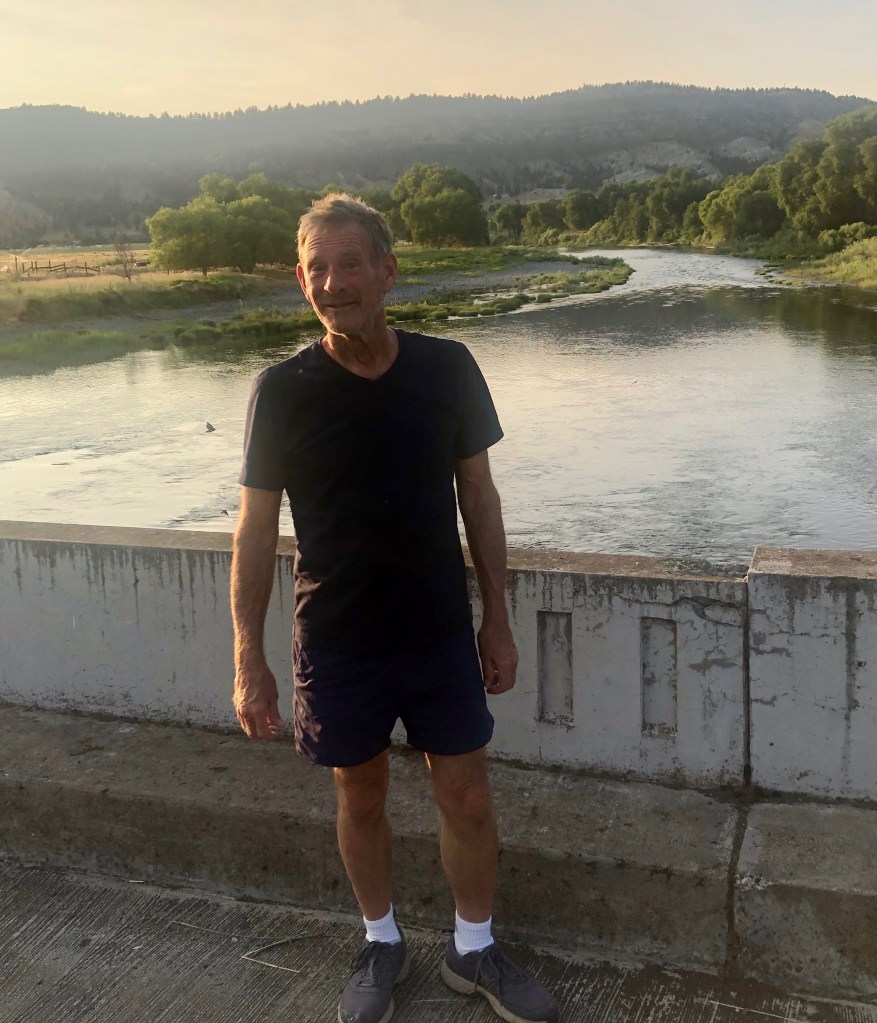
Standing on a bridge over the John Day River, Spray, Oregon.

While camping near Vantage, Washington, I took a motorcycle ride down the west side of the Columbia River, past the Wanapum Dam and the old railroad bridge (now part of the Palouse to Cascades State Park Trail, formerly the John Wayne Pioneer Trail), and through the imposing Sentinel Gap. There were no boats nearby on the river or people on the beach that warm Wednesday afternoon, so I cooled off with a skinny dip in the Columbia River.
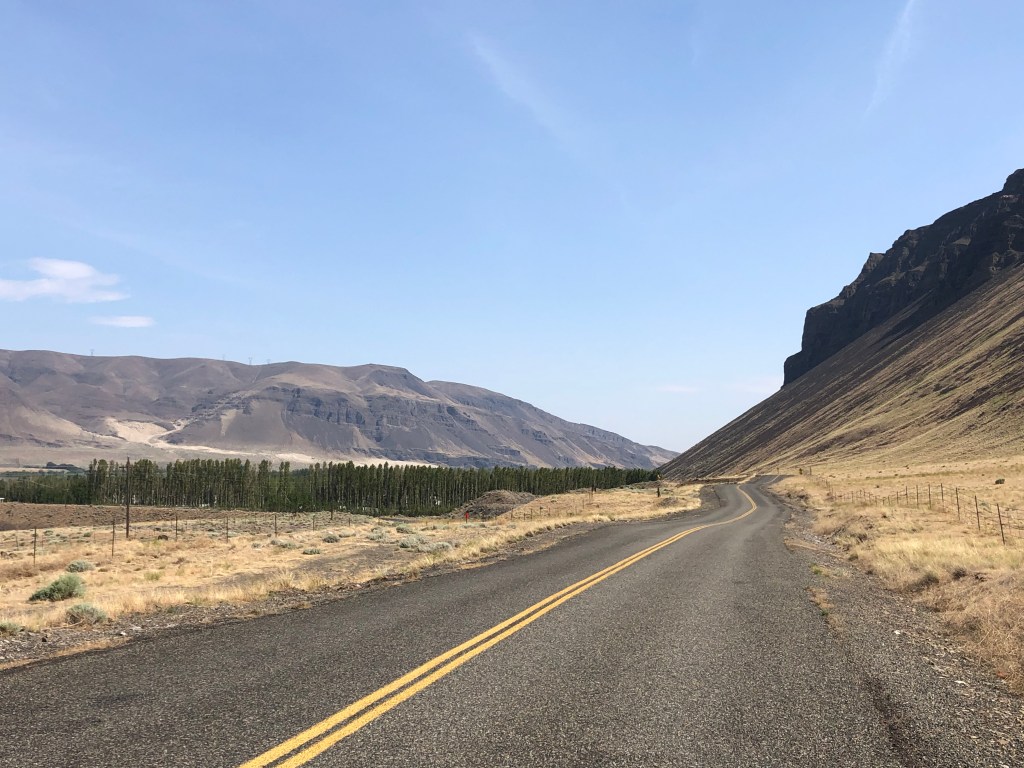
South of Vantage. Orchards along Columba, and the Sentinel Gap ahead.
Wanapum Dam and I-90 bridge in the distance.
The old iron railroad bridge, now part of the Palouse to Cascades State Park Trail.
It was a nice place for a skinny dip!

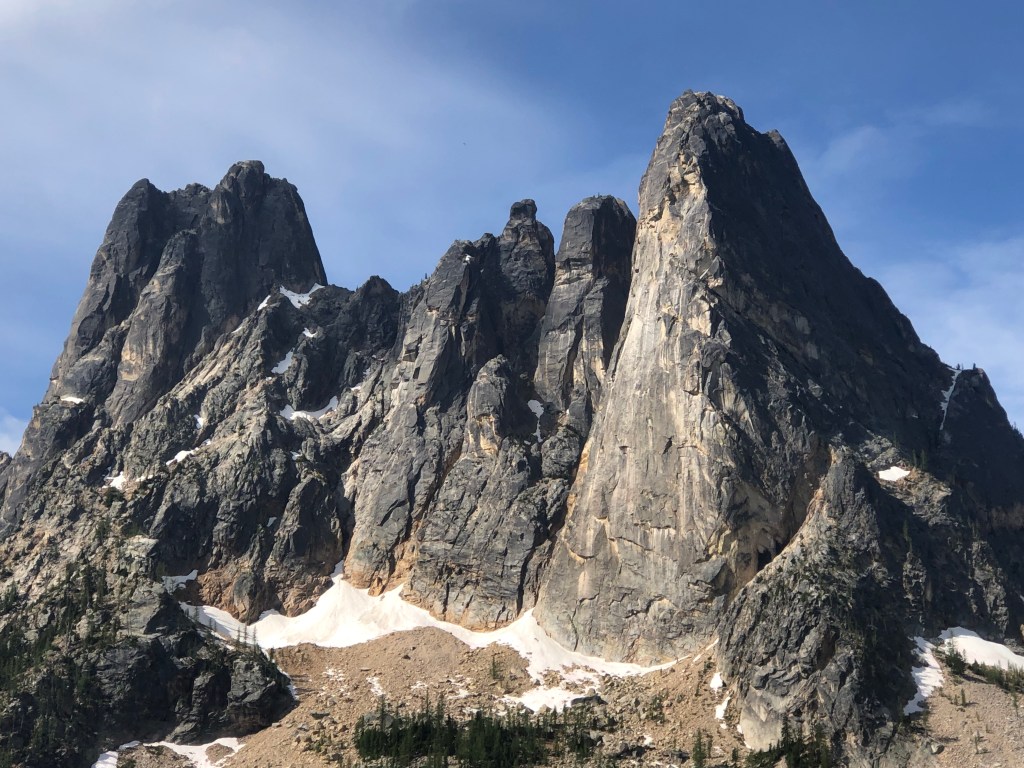
Liberty Bell and associated peaks at the top of the pass on Highway 20. Always a great stop.
High Desert Travels

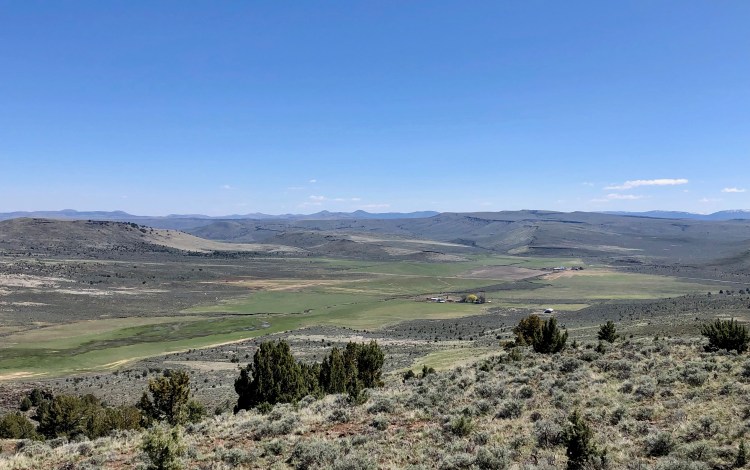
Several times each year I head down to the Oregon and Nevada high desert regions for a break from the wet weather and the dense population on the west side of the Cascade range. I’ve spent most of my life west of the Cascades in Washington, Oregon, and Alaska, but I’ve grown to love the dryer weather, open vistas, darker night skies of the Great Basin region. I recently got back from my first trip of 2025.

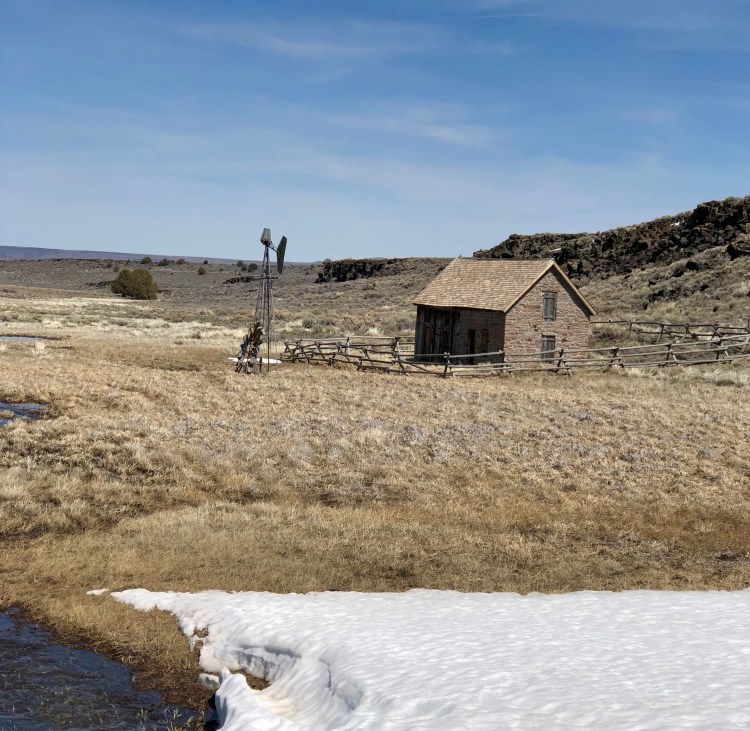
Last Chance Ranch, Sheldon National Wildlife Refuge
Chicken coop ruins at IXL ranch, Nevada.
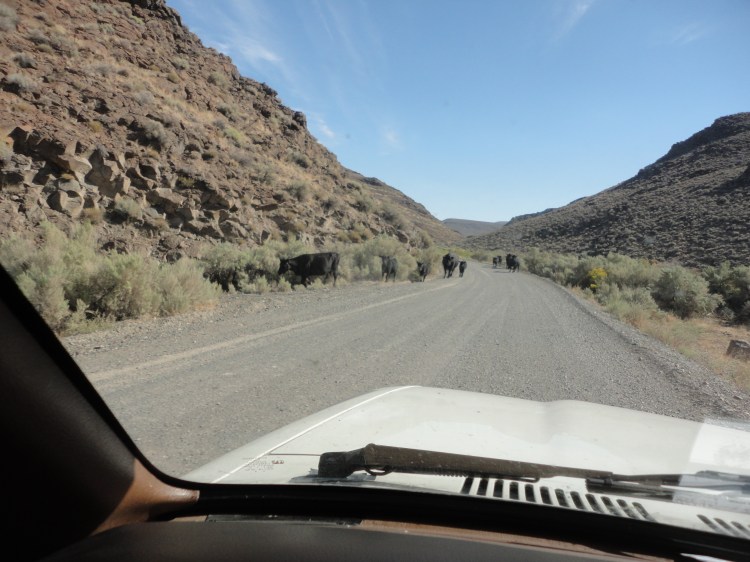
Cattle in the road, Whitehorse Ranch, Oregon.
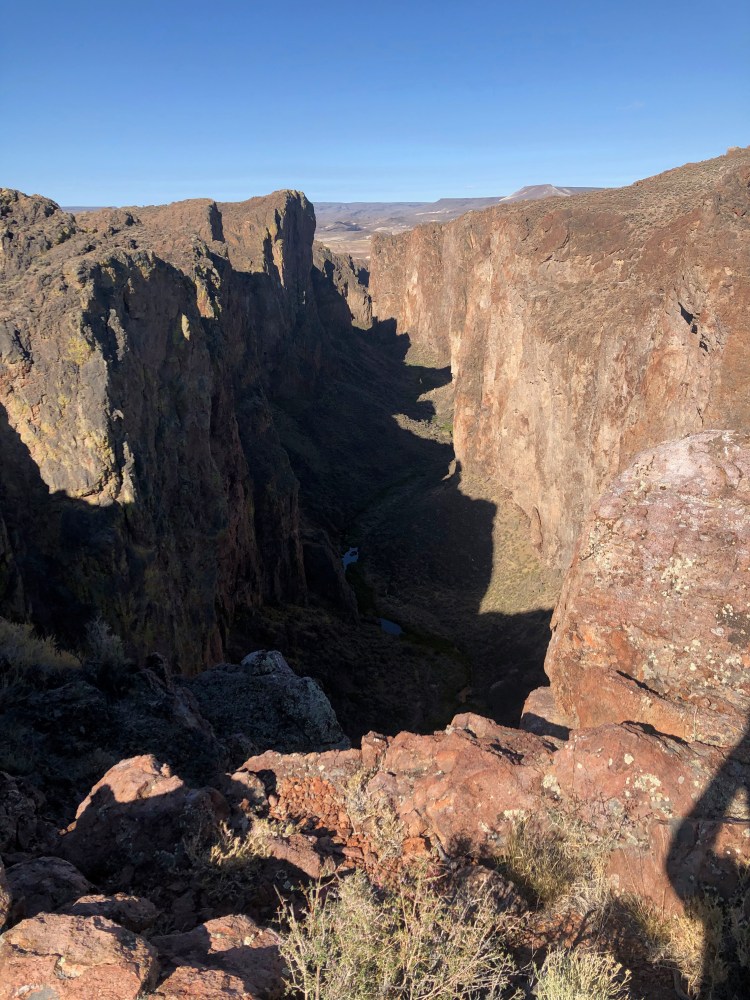
Gorge, Sheldon National Wildlife Refuge.

I travel in my 1990 Micro-Winnie with a couple of old friends or by myself, and occasionally with my family. The goal is to always to get off of the I-5 corridor as quickly as possible, where traffic is generally heavy, and it’s often rainy. I generally spend the first night somewhere along the Columbia River. This spring one of my favorite campgrounds is closed, due to Trump’s staff and budget cuts. A park ranger informed me she was not sure when or if they would open again this year.

My granddaughter above the Columbia River.

Our wisest and most statesman-like presidents set aside land for the use of the citizens, and to preserve the rapidly vanishing wild areas. The short-sided ones privatize those regions for corporate profit.

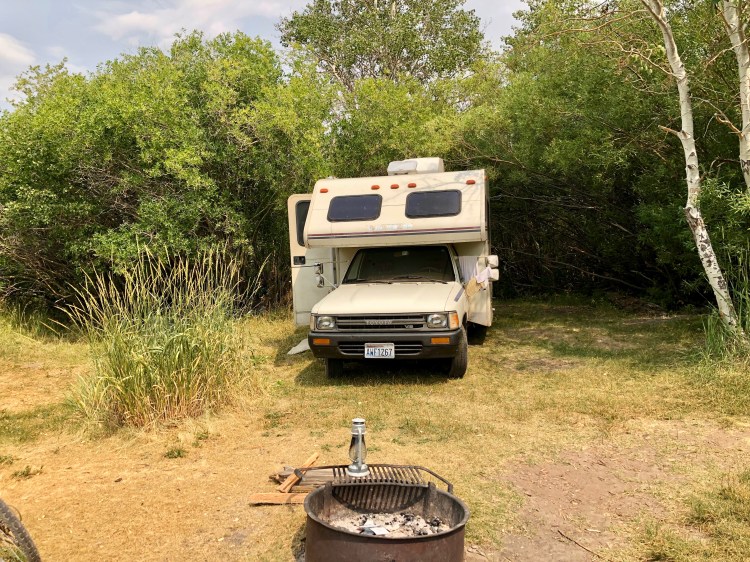
“Kermit” at campground in Hart Mt. Antelope Refuge

This year I’m taking along a dual sport motorcycle on some trips. I plan to get deeper into some of the places where “Kermit” shouldn’t go.

Yamaha loaded on “Kermit.”

Many people live their whole lives without ever seeing the Milky Way, or more than a few hundred stars. I’m fortunate to live a day’s drive away from some of the darkest night skies in the country, where the dome overhead is filled with the light from millions of stars. The sunrises and sunsets are nice too!

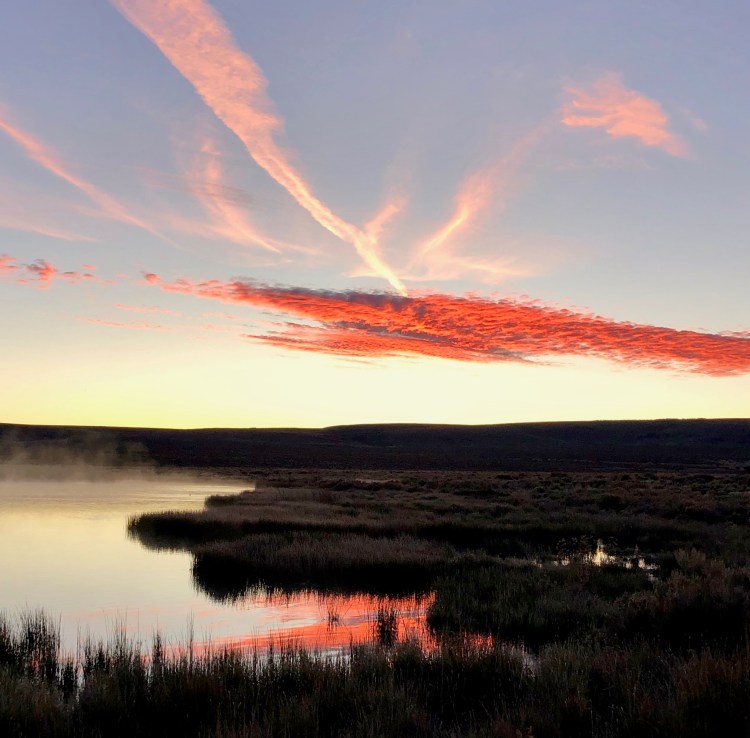
Sunrise in the Sheldon Wildlife Refuge.
ReplyForwardAdd reaction

But it’s not all camping in state and national parks, or on BLM land or other more remote locations. Now and then I stop into a local watering hole to have a drink with the locals, and other travelers. Who knows, maybe I’ll see you out there this summer!

Mike at unique bar above the John Day river.
An old bar in the Ruby Mts., Nevada

My Current Writing Project

“It was early in the spring of 1863, when the wagon train which was captained by my grandfather, Selleck Madison Fitzgerald, left Keosaqua, Iowa, on its way across the plains. The train consisted of twenty wagons, and about one hundred seventy five men, women and children. The wagons were drawn by horses, four to a wagon—not oxen, as many of the trains were. My grandfather was twenty-two years old, and was said to have been the youngest man to captain a wagon train across the plains to California.”

So begins the memoirs of my maternal great-grandfather, Roy M. Fitzgerald, raised by his grandfather, Selleck, and his wife after Roy’s mother died during childbirth. This fascinating autobiography, which among other things, recalls Roy’s boyhood in 1890s Montana, and his years as a tourist coach driver and trail horse guide in Yellowstone Park during the early 1900s, was recently re-discovered by a family member in a box of papers, where it had languished since 1972, the year of Roy’s death.

Although Roy Fitzgerald had only an eighth grade education, and worked as a coach driver, trail guide, miner, millwright, carpenter, rancher, and laborer his narrative is ambitious and lively, covering most of his life (1887-1972) and comprising over 105,000 words. It was his intention to have this work published, both as his legacy to his family, and to document the early years of Yellowstone Park and nearby Gardiner, Montana, where his grandfather, Selleck, had been an early settler and owner/builder of the first hotel.

He wrote the draft in longhand and in pencil, covering first one side of a notebook, then turning it over and continuing on the back side. Despite this, and his advanced age (Most of the manuscript was written in the three or four years before is death.) the original is quite legible, so I am able to compare it with a typed first copy, which he completed with the help of a friend and his daughter.

My purpose in transcribing his memoirs is two-fold. First: To record the entire work in pdf format for easy distribution to all family members. Secondly: To create a slightly abbreviated version, corrected, foot-noted, and edited,  for publication.

These memoirs will appeal to those interested in the history of late nineteenth and early twentieth century Montana, Yellowstone Park, the Klamath Falls area of Oregon, and the early mining towns of Goldfield and Tonopah, Nevada—all places he describes in this record of his wide-ranging travels through the early twentieth century West—a place and time which he documents with insight, humor, and an eye for  detail which is the equal to any description of family life in that era that I have encountered.