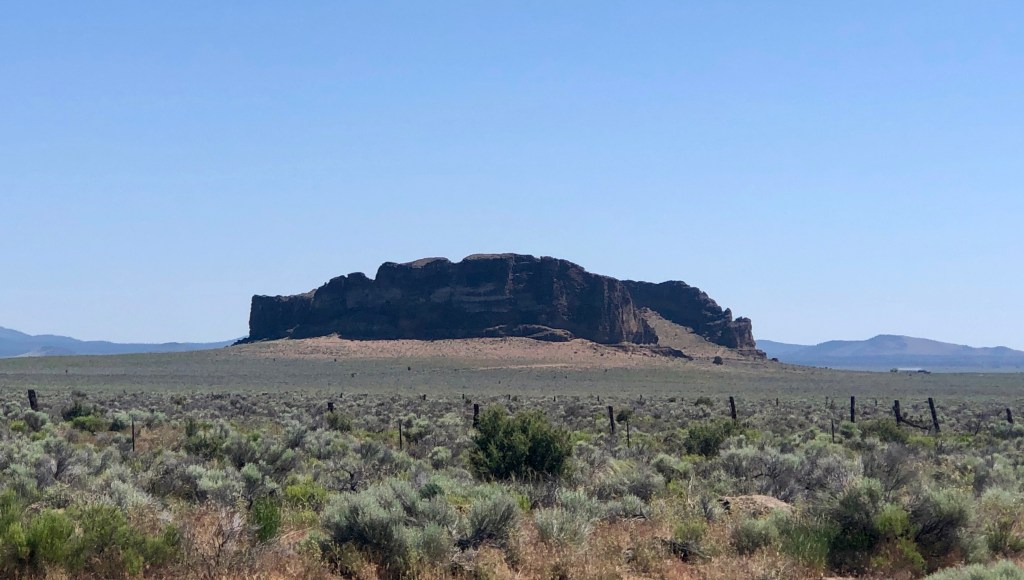
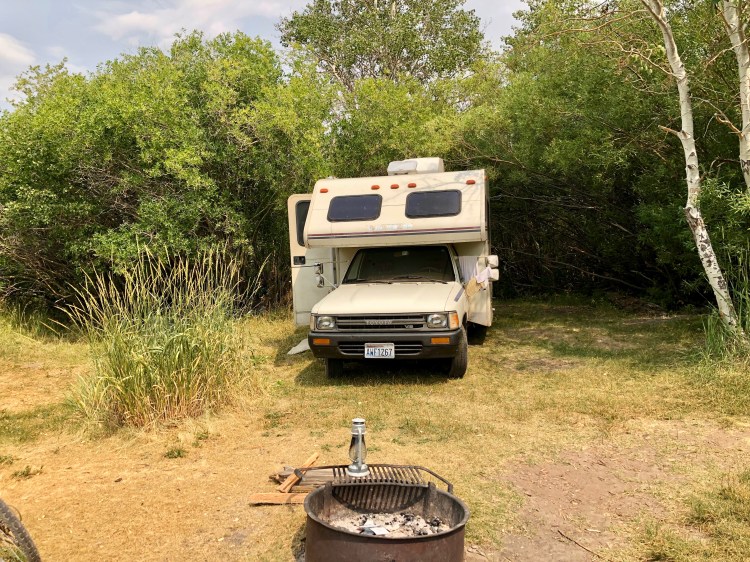
I recently returned from more travels east of the Cascade Mountains, through eastern Washington, Oregon, and northern Nevada. My friend, Eric accompanied me in his camper.
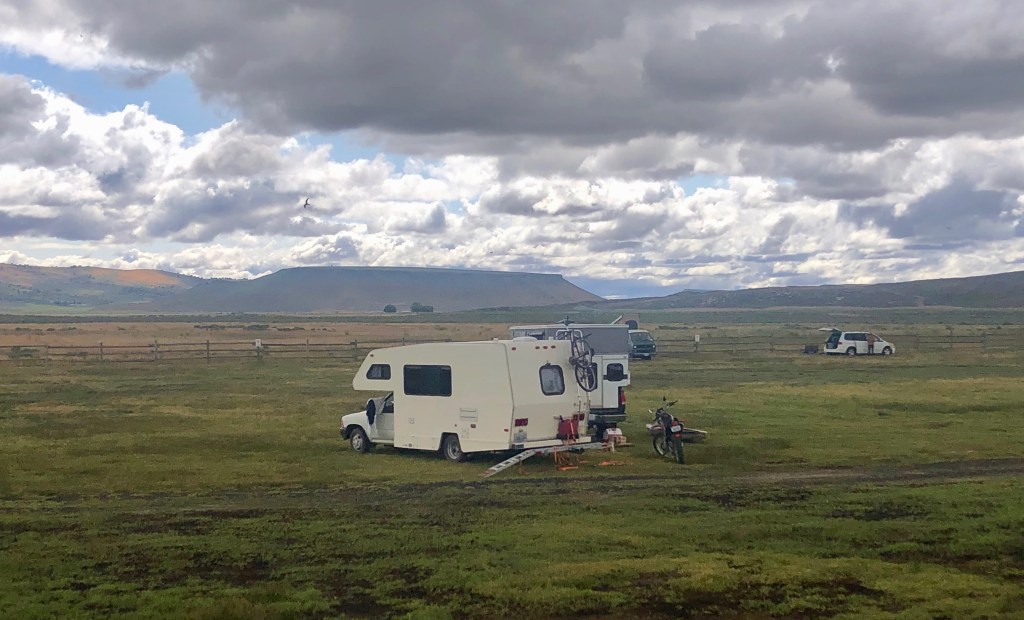
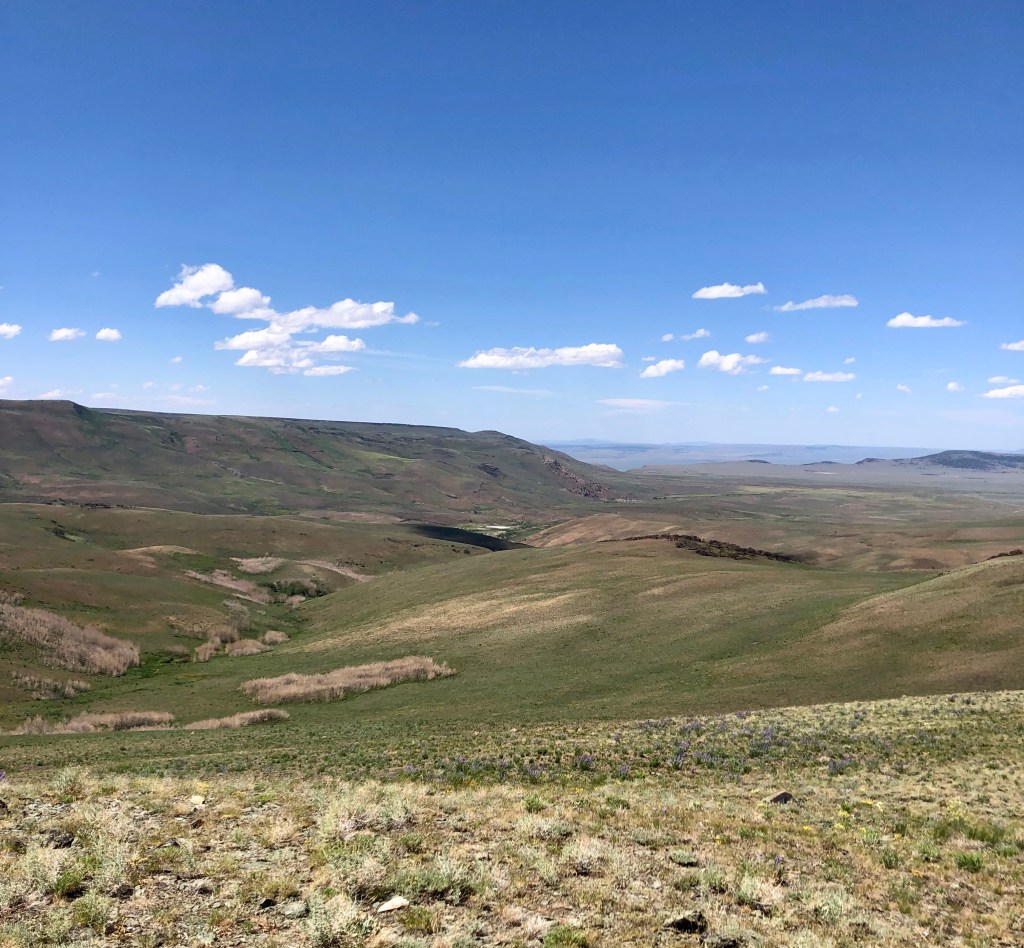
I took along my dual sport Yamaha XT 250 motorcycle.


Over the last several years of traveling the high deserts and Great Basin I’ve made some interesting observations.
Observation 1: Most small towns have better phone service than where I live.
I live in Birch Bay, WA, population about 12,000. The place has no post office, schools, or shopping centers. I have at most two bars on my cell phone at home. To make phone calls I must often walk up to the nearby golf course or the millionaire’s subdivision adjacent to ours, to get adequate service. I use Verizon, but the same was true with my previous service provider.
Below is just a partial list of towns in Eastern Oregon and Washington with a population under 600 I have visited in my travels, which have four or five bars service. I’ll leave you to draw your own conclusions about how progressive Whatcom County is with respect to communication infrastructure.
Adel, OR—pop. 40; Coulee City, WA—551; Dayville, OR—132; Crane, OR—116; Fossil, OR—447; Grass Valley, OR—167; Lexington, OR—216; Mansfield, WA—328; Maryhill, WA—46; Moro, OR—380; Paisley, OR—255; Spray, OR—138.
Virtually every community I have visited east of the Cascades in Washington and Oregon has better cell phone and internet service than the Birch Bay/Blaine region.
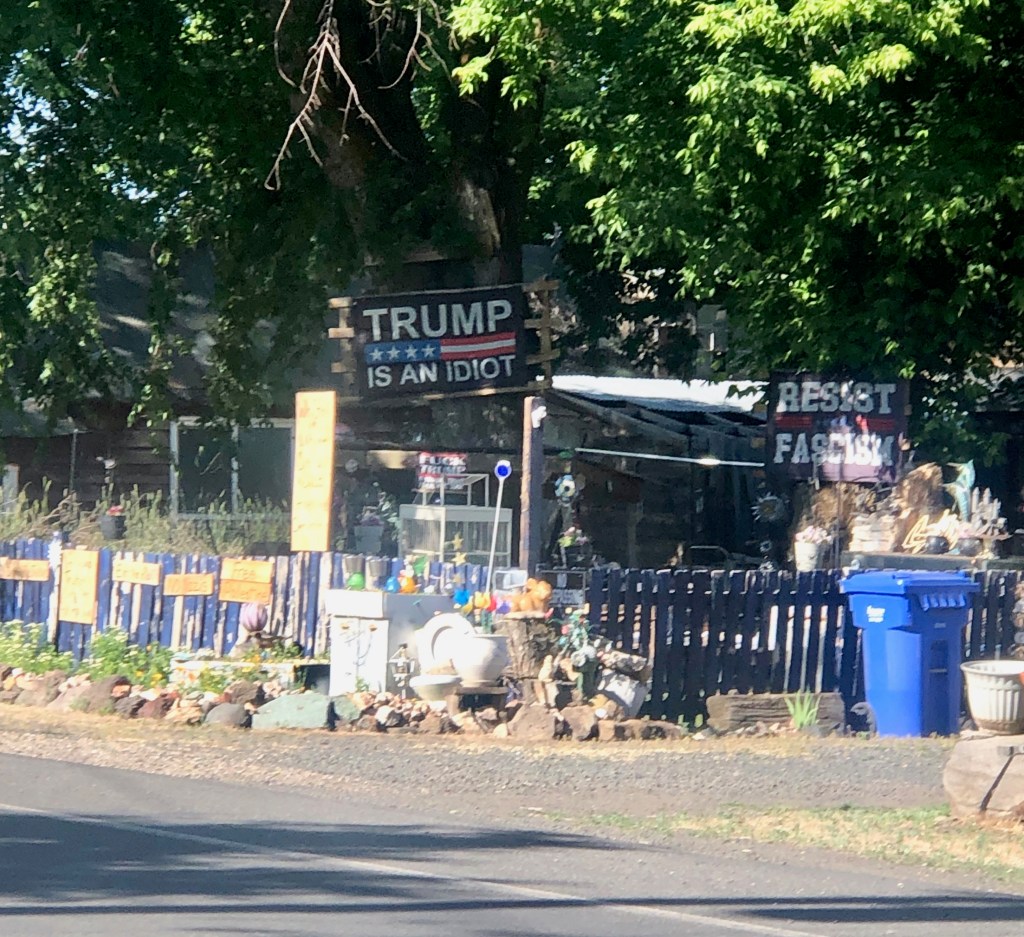
Observation 2: It’s common knowledge that the majority of folks east of the Cascades tend to vote Republican, and many are Trump cultists. But there are many exceptions, and the true picture is more nuanced.
Bend and Pullman are obvious exceptions, but even in some of the smaller towns the majority do not vote Republican, or the voting is very close. Parts of Eastern Washington are more progressive than the I-5 corridor in some ways. You will see road signs in both Spanish and English in some regions of Eastern Washington, and many schools offer Spanish language courses. Here in the Blaine school district, supposedly progressive, Spanish is not even offered until high school—inexcusable!
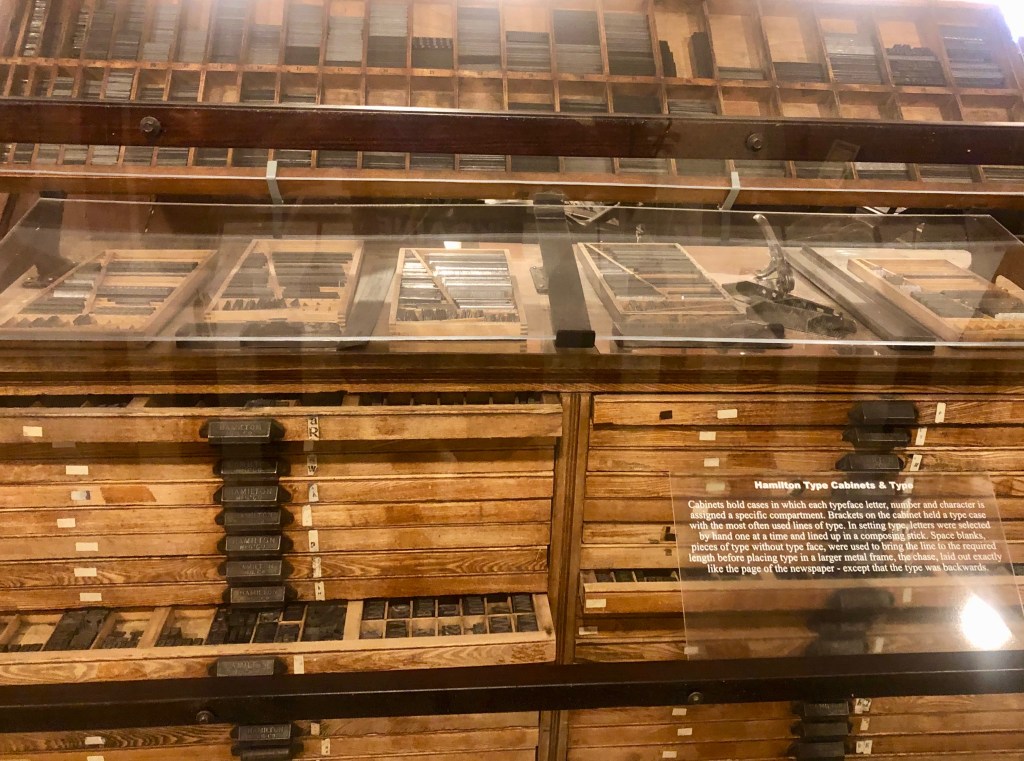
Observation 3: Many of the small towns have excellent museums that are well worth a stop.
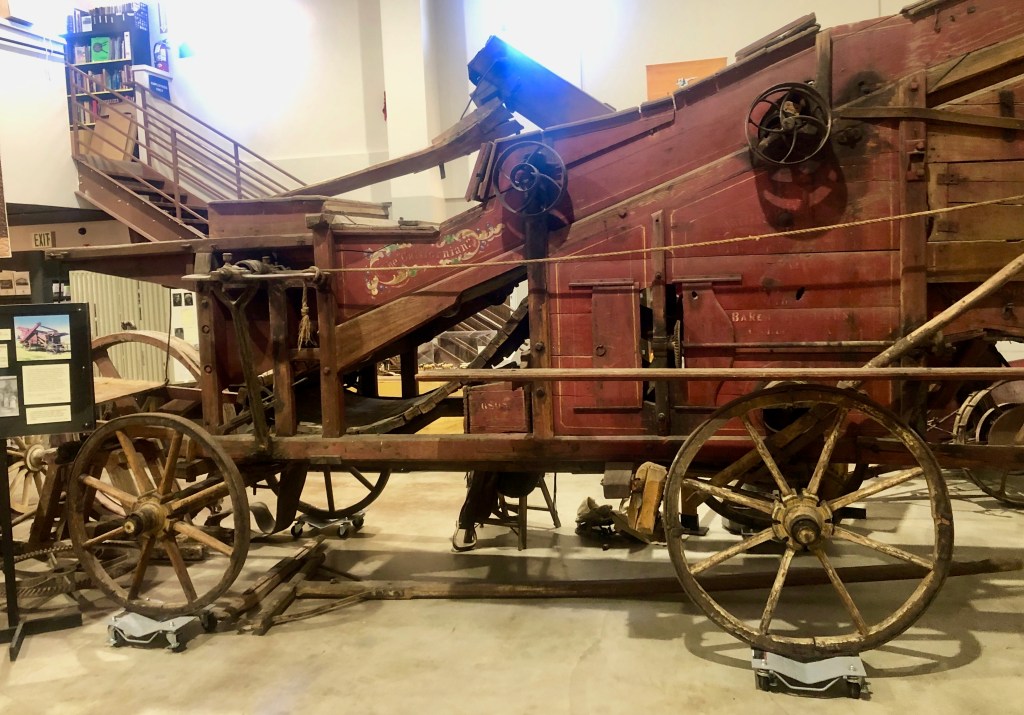
If you’re driving through Oregon on Highway 97 and have some spare time, check out the museum in Moro, just a few miles south of the Columbia River crossing. The old printing press display is world class. Many of the small towns have good museums with a wealth of information on their history.
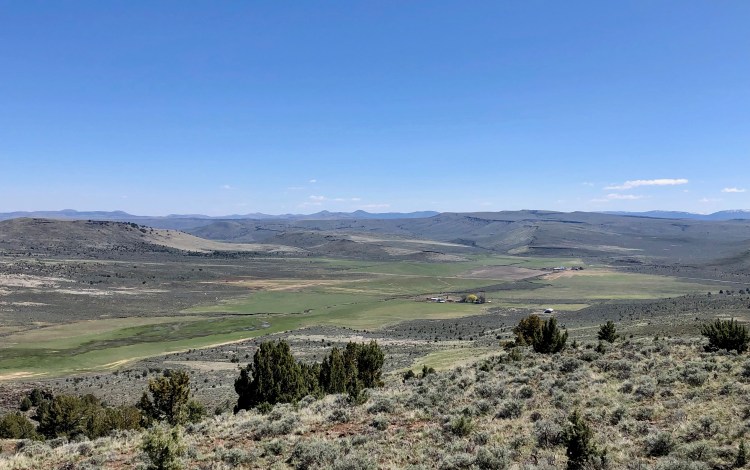
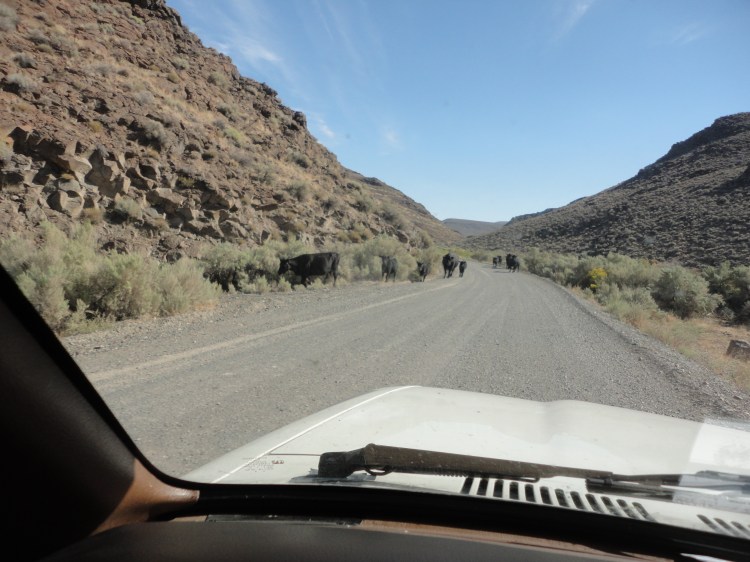
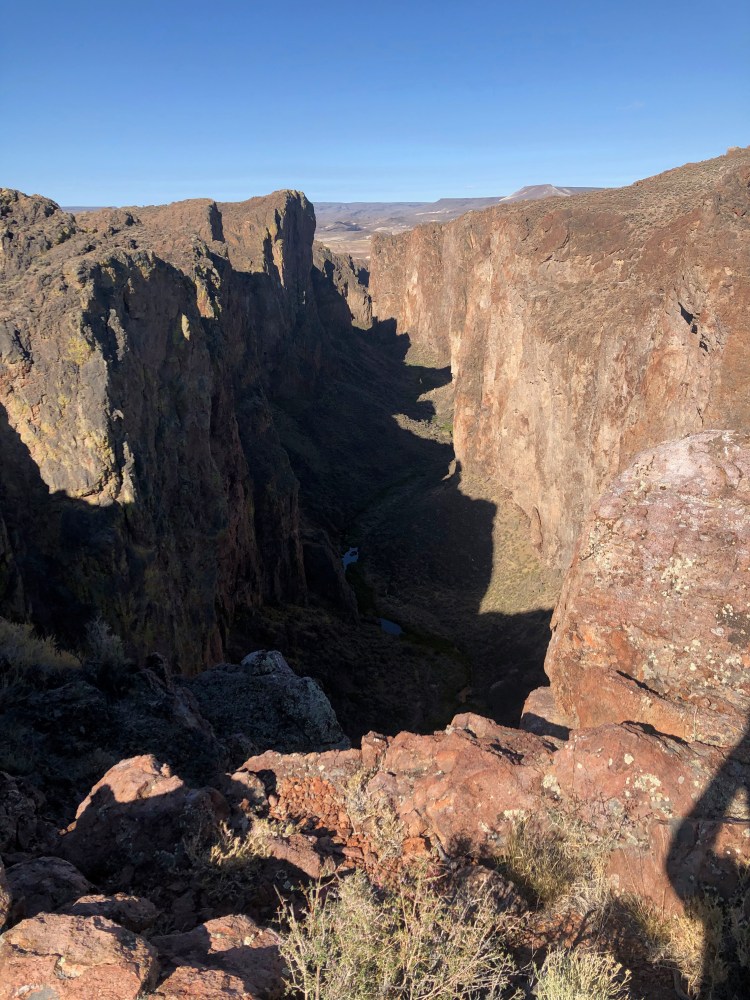
I almost always pass through John Day River country on my return trip. This time I followed the south fork of the John Day. It was slow driving along a mostly decent gravel road. Besides Eric, following at a good distance behind me to avoid my dust, I only encountered a couple of other vehicles on this section of the road.
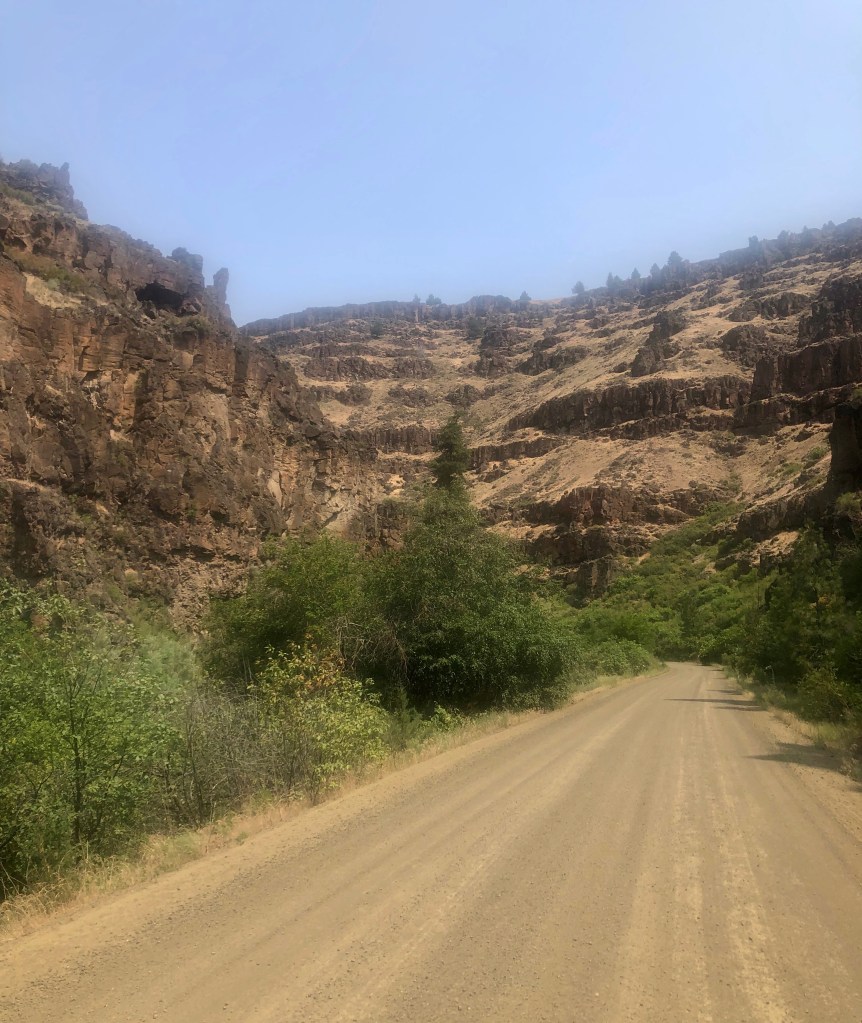
Once again we camped along the John Day before heading north to the traffic and congestion of Washington. It’s always hard to come back to the I-5 corridor after these adventures. So instead of immediately heading up I-90, the fastest route home, I spent a couple days in eastern Washington enjoying the mid 80s temperatures, before heading home via Highway 20.
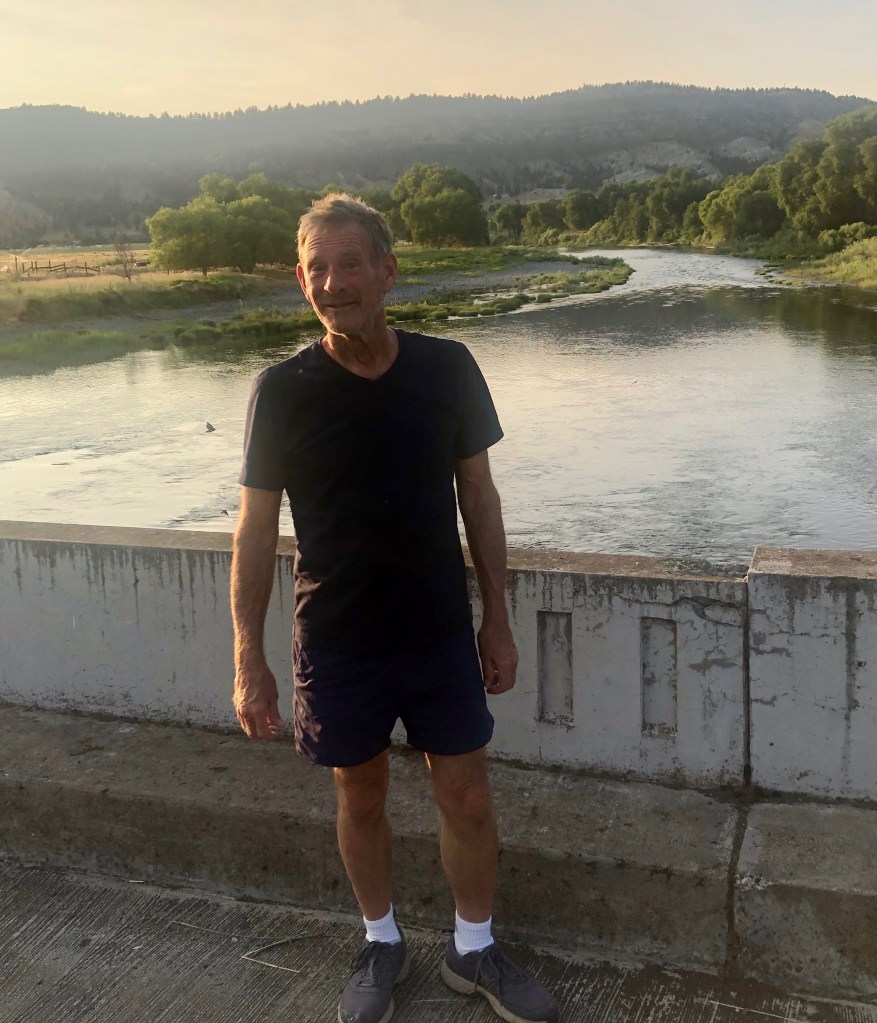
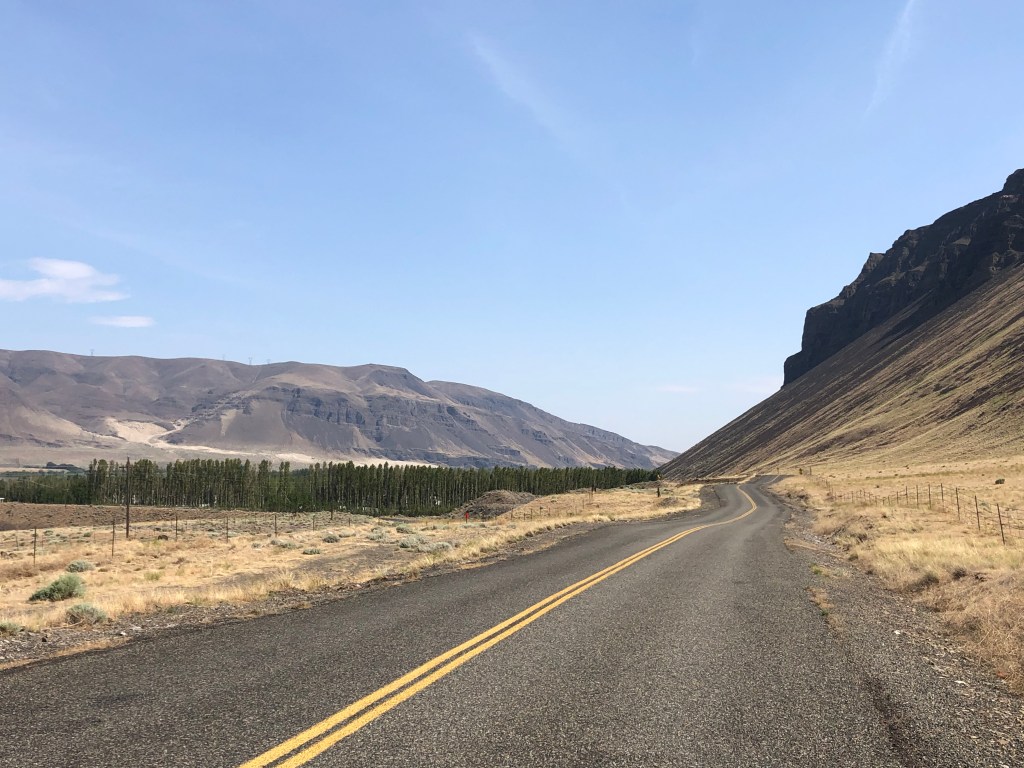
While camping near Vantage, Washington, I took a motorcycle ride down the west side of the Columbia River, past the Wanapum Dam and the old railroad bridge (now part of the Palouse to Cascades State Park Trail, formerly the John Wayne Pioneer Trail), and through the imposing Sentinel Gap. There were no boats nearby on the river or people on the beach that warm Wednesday afternoon, so I cooled off with a skinny dip in the Columbia River.


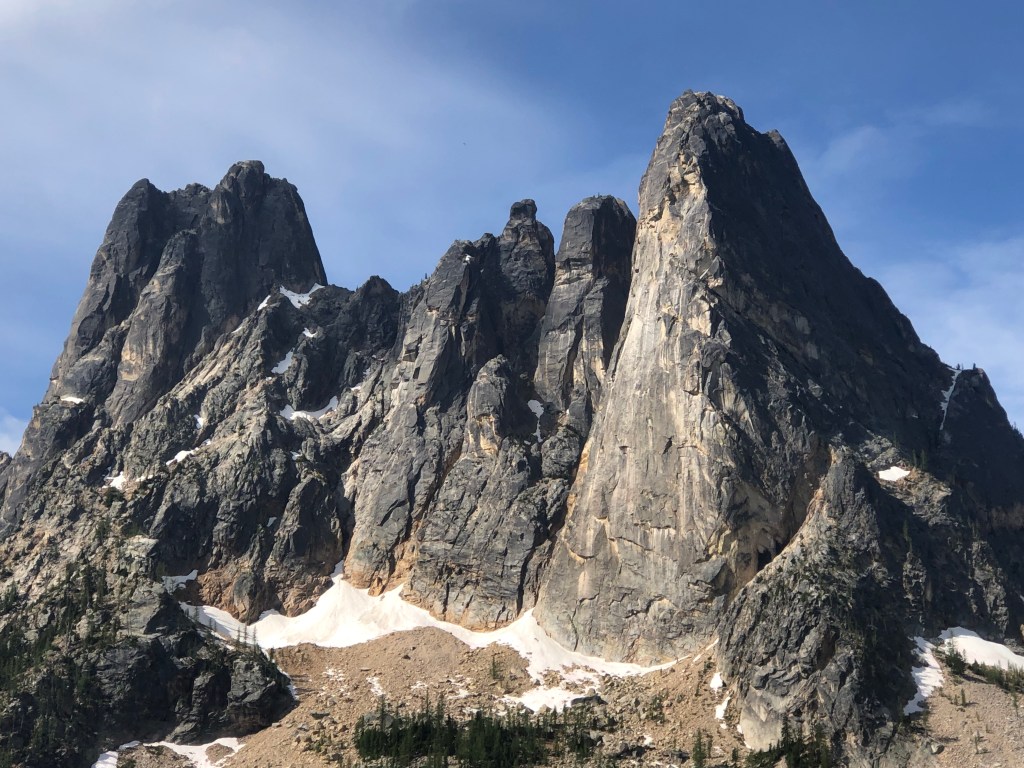
Liberty Bell and associated peaks at the top of the pass on Highway 20. Always a great stop.





 Captain Mike's Log